


Love and Space: Designing Homes That Strengthen Relationships

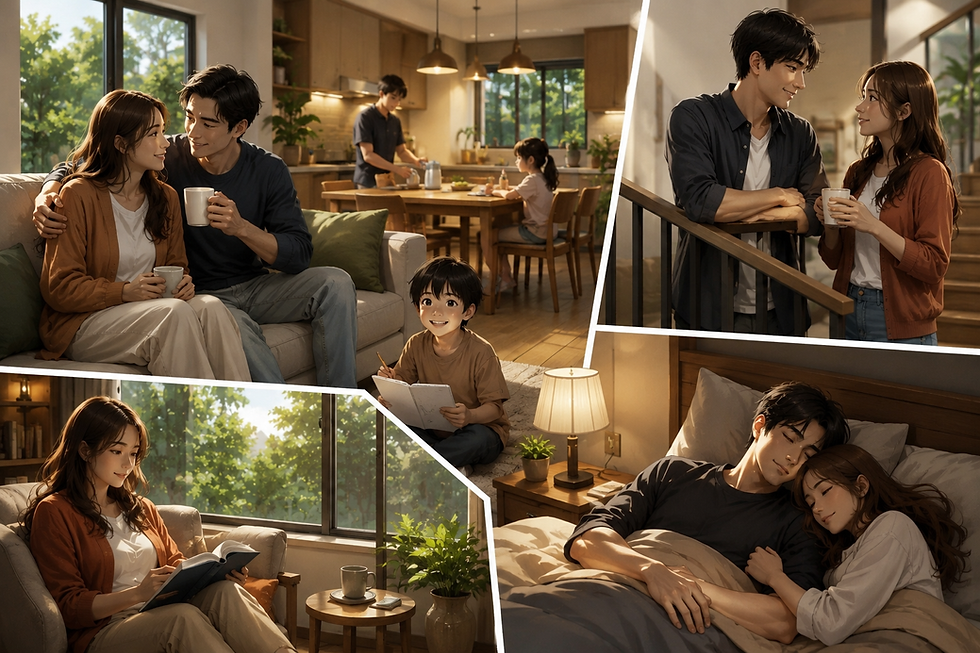
A home is more than a physical structure—it is an emotional environment. Every architectural decision influences how people interact, rest, argue, reconcile, and grow together. In residential architecture, space quietly shapes relationships.
At KDA Design + Architecture (KDA D+A), we approach home design with a simple but often overlooked question: How does this space support human connection?
This article explores how intentional architectural design strengthens relationships, improves emotional well-being, and creates homes that truly support family life—particularly within the Philippine residential context.
Architecture and Human Behavior: Why Space Matters
Environmental psychology and architectural theory consistently show that the built environment affects behavior, stress levels, and interpersonal dynamics. Poor spatial planning increases tension; thoughtful design reduces conflict.
In homes, architecture influences:
Frequency and quality of family interaction
Privacy and personal boundaries
Stress, comfort, and emotional regulation
This is why good residential architecture goes beyond aesthetics. It is about designing spaces that support healthy relationships, not just daily routines.
1. Shared Spaces That Encourage Natural Connection
Modern Filipino homes often favor open-plan layouts—but openness alone does not guarantee togetherness.
Well-designed shared spaces are:
Human-scaled, not oversized
Oriented to encourage conversation and eye contact
Zoned subtly to allow multiple activities without conflict
Living rooms, dining areas, and kitchens are social anchors in Philippine homes. When designed properly, they foster:
Family bonding
Informal conversations
Shared rituals like meals and celebrations
The goal is inviting togetherness, not forced interaction.
2. Privacy as a Foundation of Strong Relationships
Contrary to common belief, closeness in relationships depends heavily on privacy.
Bedrooms, home offices, and quiet corners allow individuals to:
Recharge emotionally
Maintain personal identity
Reduce sensory overload
In dense urban housing and compact residential lots, privacy is often compromised. Strategic space planning—proper room placement, sound buffering, and controlled sightlines—ensures emotional safety within the home.
Healthy boundaries lead to healthier relationships.
3. Transitional Spaces: Where Connection Happens Naturally
Some of the most meaningful interactions occur not in main rooms, but in transitional spaces.
These include:
Stair landings
Hallways with daylight
Window seats
Covered terraces and balconies
Often dismissed as circulation areas, these spaces actually:
Encourage spontaneous conversations
Create moments of pause and reflection
Soften transitions between public and private zones
Designing transitional spaces intentionally adds emotional depth to a home without increasing floor area.
4. Light, Air, and Emotional Well-Being
Comfort is emotional before it is technical.
Natural light, ventilation, and thermal comfort directly influence:
Mood and patience
Sleep quality
Stress levels and mental health
In the Philippine tropical climate, passive design strategies—such as proper orientation, sun shading, cross-ventilation, and ceiling height—are essential. These are not just sustainability measures; they create calmer, more livable homes where relationships thrive.
5. Designing for Change and Life Stages
Families evolve—and homes must adapt.
A well-designed residential project anticipates:
Children growing into teenagers
Work-from-home arrangements
Aging parents
Changes in family structure
Flexible spaces reduce the need for constant renovation and prevent spatial stress. Architectural foresight becomes a form of care—a long-term investment in relationships.
Love Is Not Accidental—It Is Designed
Love may be emotional, but it is lived physically—through space, movement, light, sound, and silence.
Thoughtful residential architecture:
Reduces daily friction
Encourages meaningful interaction
Respects individuality
Supports emotional well-being
At KDA Design + Architecture, we believe homes should not only look good on paper—they should support the lives and relationships within them.
Built with vision. Designed with purpose.
If you are planning a home in the Philippines that values both function and human connection, working with a licensed architect ensures your space is designed not just to last—but to nurture the people who live in it.
References
Altman, I. (1975). The Environment and Social Behavior: Privacy, Personal Space, Territory, and Crowding. Brooks/Cole.
Evans, G. W. (2003). The Built Environment and Mental Health. Journal of Urban Health.
Hall, E. T. (1966). The Hidden Dimension. Anchor Books.
National Building Code of the Philippines (PD 1096) and its Implementing Rules and Regulations.
World Health Organization (2018). Housing and Health Guidelines.
Gehl, J. (2010). Cities for People. Island Press.


Comments