


Philippine Independence Day and the Built Environment: How the Places We Build Shape the Nation

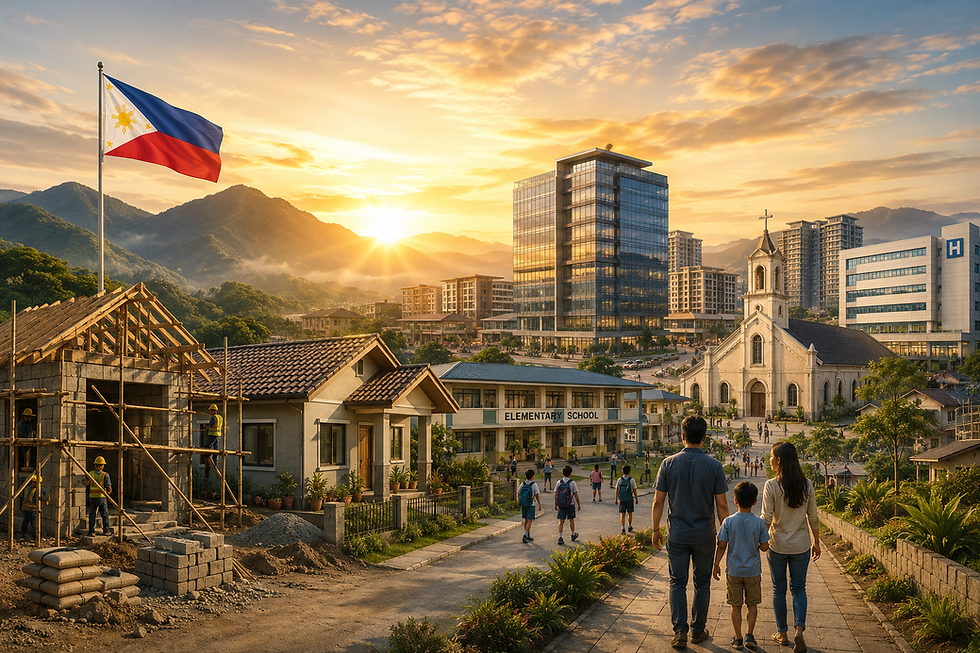
Every year on June 12, Filipinos commemorate Philippine Independence Day. It is a day marked by ceremonies, flag-raising events, historical reflections, and reminders of the sacrifices made by those who fought for the nation's freedom.
Yet beyond the celebrations and historical narratives lies an important question:
What does independence look like today?
For many Filipinos, independence is no longer fought for on battlefields. It is expressed in quieter but equally meaningful ways—in the homes we build, the communities we nurture, the businesses we establish, and the institutions we leave behind for future generations.
As architects, we often think about buildings in terms of plans, specifications, permits, budgets, and construction schedules. But architecture ultimately serves a larger purpose. Every project, regardless of size, becomes part of the physical framework of a nation.
The places we build shape how people live, work, learn, worship, and interact with one another. In many ways, nation-building happens one project at a time.
Independence and the Filipino Dream of Ownership
Few aspirations are as deeply rooted in Filipino culture as owning a piece of land and building a home.
Whether it is a young family saving for their first house, an Overseas Filipino Worker returning home after years abroad, or a retiree planning a forever home, property ownership often represents stability, security, and personal achievement.
A home is more than a structure. It becomes the setting for family life, milestones, and memories. It provides shelter during difficult times and serves as an asset that can support future generations.
This desire for ownership reflects a broader expression of independence—the ability to establish roots, make decisions about one's future, and create a place to call home.
However, true independence is not simply about ownership. It is also about making informed decisions that protect the value of what is being built.
This is why thoughtful planning, feasibility studies, proper budgeting, and professional design remain essential. A well-planned project helps families avoid costly mistakes and ensures that investments remain resilient over the long term.
Nation-Building Happens Through Everyday Projects
When people think about nation-building, they often imagine major infrastructure projects, government programs, or national policies.
While these certainly play important roles, the reality is that nation-building also happens through countless smaller decisions made every day.
A homeowner building responsibly contributes to neighborhood stability.
A business owner investing in a commercial property creates jobs and economic activity.
A school expansion creates opportunities for future generations.
A healthcare facility improves access to essential services.
A community development project creates safer and more productive environments for families.
Individually, these projects may seem modest. Collectively, they help shape the economic and social fabric of the country.
Architecture exists at the intersection of these efforts. It transforms ideas into physical spaces that influence people's lives long after construction has been completed.
The Responsibility That Comes with Freedom
Independence is often associated with freedom. Yet freedom without responsibility rarely produces lasting results.
The same principle applies to the built environment.
Property owners have the freedom to develop their land. Developers have the freedom to pursue opportunities. Designers have the freedom to create. Builders have the freedom to execute projects.
However, every decision carries consequences.
Poor planning can create financial strain.
Substandard construction can compromise safety.
Ignoring environmental conditions can increase long-term risks.
Short-term thinking can undermine long-term value.
Responsible development requires balancing ambition with stewardship. It means considering not only what can be built today, but also how those decisions will affect families, communities, and future generations.
The most successful projects are often those that look beyond immediate needs and consider long-term outcomes.
Building Resilient Communities for the Future
The Philippines faces unique challenges as an archipelagic nation located within the Pacific Ring of Fire and the Western Pacific typhoon belt.
Earthquakes, typhoons, flooding, and other natural hazards are realities that cannot be ignored.
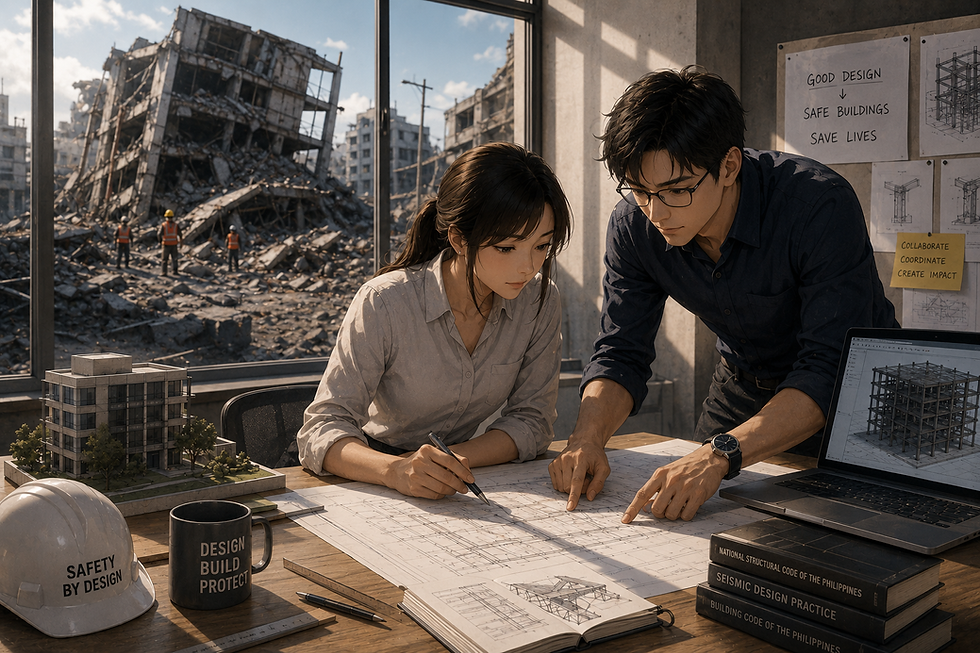
Recent events across the country continue to remind us that resilience is not optional—it is a necessity.
Resilient communities are built through informed site selection, proper planning, sound engineering, responsible construction practices, and ongoing maintenance.
Every resilient home, school, hospital, office, and community facility contributes to a stronger nation.
Investing in resilience is not merely a technical consideration. It is an investment in people, livelihoods, and long-term stability.
The Architect's Role in Nation-Building
Architecture is sometimes viewed primarily through the lens of aesthetics.
While design quality matters, the profession's impact extends much further.
Architects help clients evaluate opportunities before significant investments are made.
They help identify risks, balance costs, coordinate technical requirements, and translate long-term goals into practical solutions.
Good design is not simply about creating attractive buildings. It is about helping people make better decisions.
In this sense, architecture becomes an act of service.
Every project presents an opportunity to create value, strengthen communities, and contribute to a more resilient and prosperous future.
Independence Beyond June 12
Philippine Independence Day reminds us of a defining moment in the nation's history.
But independence is not only something remembered once a year.
It is reflected in how we invest, build, plan, and steward the resources entrusted to us.
The homes we build influence families.
The businesses we develop support livelihoods.
The institutions we create serve communities.
The decisions we make today shape the environment that future generations will inherit.
Nation-building does not happen only through grand gestures or national programs. It happens through thousands of thoughtful decisions made every day by homeowners, professionals, entrepreneurs, developers, and communities across the country.
Every project becomes part of a larger story.
And in that sense, the places we build help shape the nation.
References
Official Gazette of the Republic of the Philippines. “Philippine Independence Day.” https://www.officialgazette.gov.ph
Philippine Statistics Authority (PSA). Housing and Human Settlements Data. https://psa.gov.ph
National Economic and Development Authority (NEDA). Philippine Development Plan. https://www.neda.gov.ph
Department of Human Settlements and Urban Development (DHSUD). Housing and Urban Development Policies. https://dhsud.gov.ph
United Nations Human Settlements Programme (UN-Habitat). Sustainable Urban Development and Resilient Communities. https://unhabitat.org


Comments