


The Land Is Not Ours

“The earth is the Lord’s, and everything in it.”— Psalm 24:1
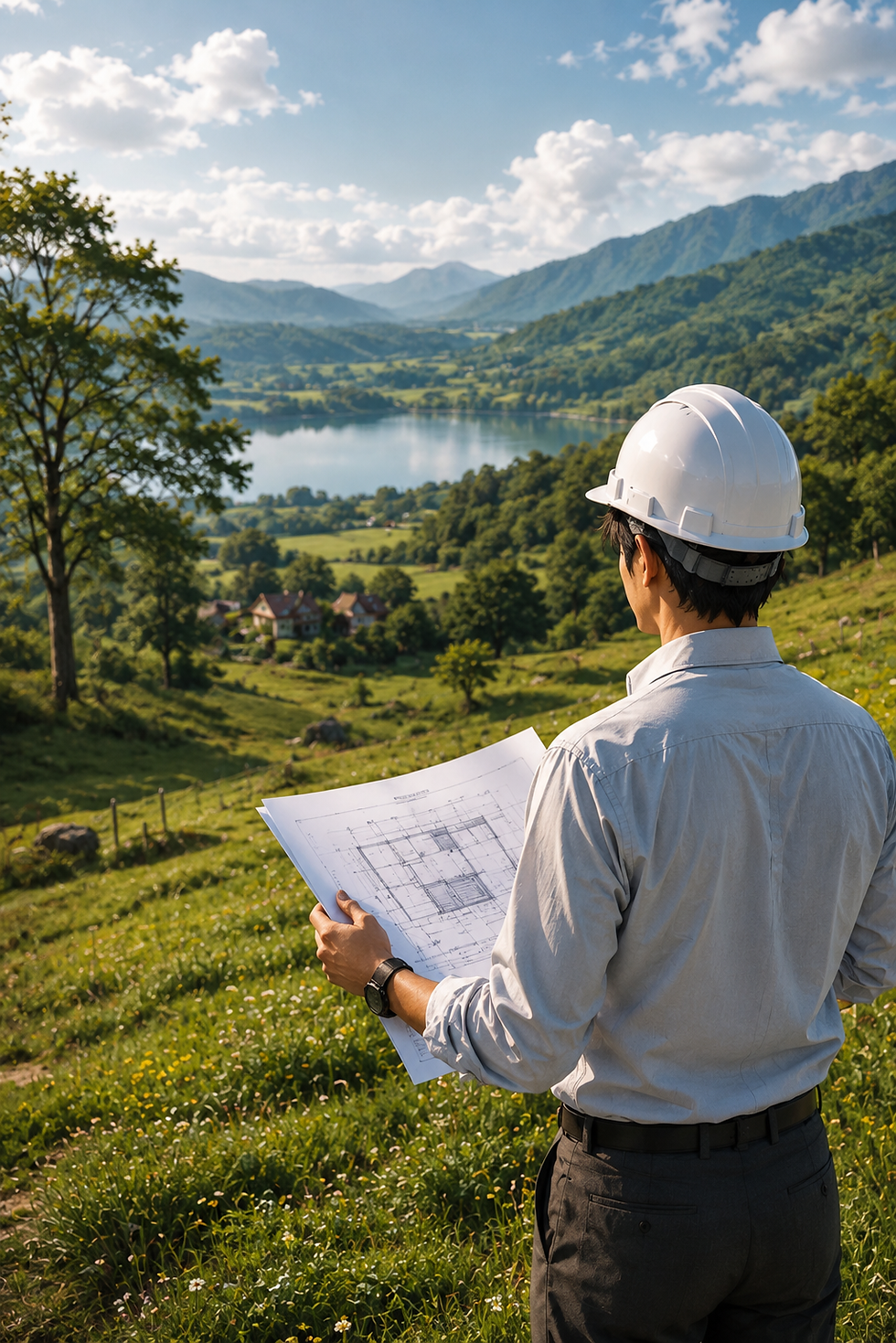
Every project begins with a piece of land.
A boundary line on paper.
A title.
A site visit.
Ownership gives the illusion of control, but stewardship tells a different story.
Land does not belong to us in any lasting sense. It carries history, climate, water, neighbors, and limits long before a structure arrives. To build is not to claim the land, but to enter into responsibility with it.
Architecture fails when the site is treated as a blank canvas. The slope is forced flat. The wind is ignored. The sun is resisted instead of harnessed. Context becomes an obstacle rather than a guide.
Scripture reminds us that dominion is not exploitation. It is care with accountability.
In practice, this means listening before drawing. Walking the site more than once. Respecting provincial conditions, access realities, and local patterns of life. It means acknowledging that a building imposed without regard for place will eventually fight its surroundings—and lose.
The most grounded designs feel inevitable, as if they could exist nowhere else. They arise not from domination, but from alignment.
Stewardship begins when the architect accepts that the land speaks first.
Applied takeaway:
Treat the site as a partner, not a commodity. Design with humility toward place, and the building will age with grace.


Comments