


Architecture of Courage: How Built Spaces Preserve Filipino Heroism

An Araw ng Kagitingan Reflection

Introduction
Every April 9, Araw ng Kagitingan invites Filipinos to pause—not only to remember heroism, but to reflect on how courage is carried forward. Beyond ceremonies and speeches, architecture plays a quiet yet enduring role in preserving bravery, sacrifice, and national memory. Through space, form, and material, architecture becomes a storyteller—one that speaks across generations.
For architects, this day is a reminder: design is never neutral. It can honor, teach, and instill values long after words fade.
Architecture as a Vessel of Memory
Heroism is intangible, but architecture gives it form and presence. Memorials and civic spaces are not merely structures; they are spatial narratives where history is experienced physically.
One of the most profound examples is the Mount Samat National Shrine. Rising above the landscape, its scale and elevation are deliberate—symbolizing sacrifice, vigilance, and the weight of freedom earned. The journey toward the monument itself becomes an act of reflection, reinforcing memory through movement and effort.
Good memorial architecture does not shout. It allows:
Silence to speak
Space to slow the body
Materials to age with dignity
In doing so, it transforms remembrance into a personal encounter, not a passive observation.
Why Restraint Matters in Memorial Design
True courage does not require excess. In fact, the most powerful commemorative spaces often rely on restraint and clarity.
Key architectural principles seen in effective memorials:
Simplicity of form – avoiding distraction from the meaning
Honest materials – concrete, stone, steel that weather over time
Intentional emptiness – negative space allowing contemplation
These choices echo the reality of sacrifice: raw, unembellished, and human. Architecture that embraces restraint encourages humility—both in the designer and the visitor.
From History to Contemporary Filipino Architecture
The lessons of Araw ng Kagitingan extend beyond monuments. They challenge today’s architects to ask:
How does courage translate into everyday architecture?
In the Philippine context, this may take the form of:
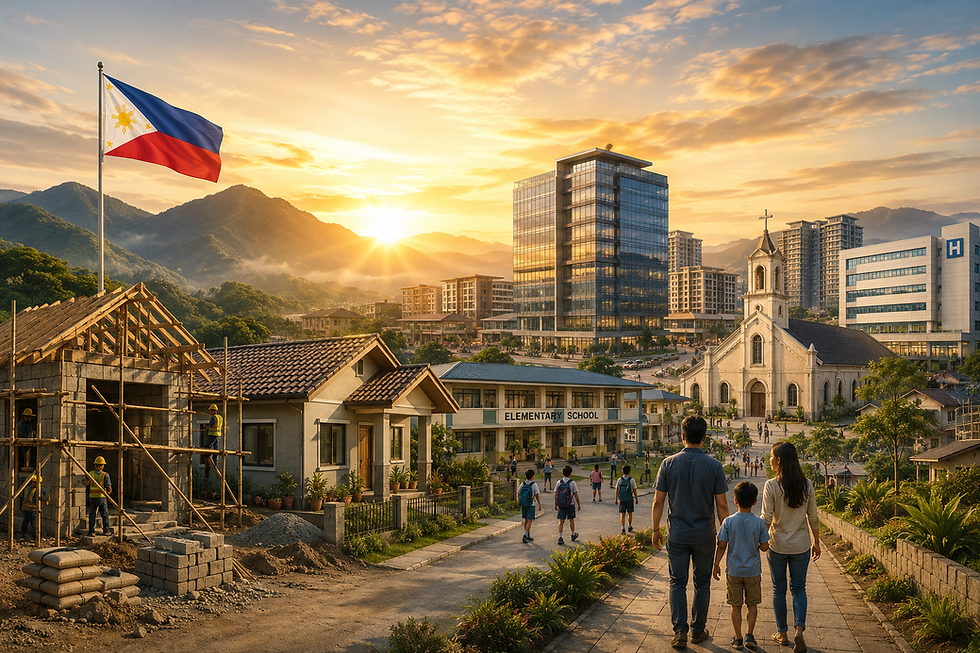
Resilient homes designed to protect families against climate and disaster
Schools and civic buildings that dignify learning and public service
Community-centered spaces that embody bayanihan and collective strength
Courage, in architecture, can mean designing ethically, prioritizing safety, and resisting shortcuts that compromise people’s lives. It is choosing long-term value over short-term gain.
Architecture as a Moral Act
Every project—no matter the scale—carries responsibility. Architecture influences behavior, memory, and identity. On Araw ng Kagitingan, we are reminded that to build is also to take a stand.
When architects design with intention:
They honor those who came before
They protect those who will come after
They embed values into the physical fabric of society
This is how heroism endures—not only in monuments, but in the spaces we inhabit daily.
Closing Reflection
Araw ng Kagitingan is not only about remembering past bravery. It is about continuing it through purposeful action. Architecture, when grounded in meaning, becomes one of the most powerful ways to do so.
At KDA D+A, we believe that design should do more than function—it should stand for something.
If you are planning a home, memorial space, or civic project, work with professionals who understand that architecture is both technical and deeply human. Let us help you design spaces that are built with vision and designed with purpose.
📩 Let’s start a conversation: Visit www.kdadesignarch.com or message us to explore thoughtful, purpose-driven architecture.
References
National Historical Commission of the Philippines (NHCP) – Araw ng Kagitingan resources
Official documentation on the Mount Samat National Shrine
Frampton, K. Modern Architecture: A Critical History
Till, J. Architecture Depends


Comments